Buying a Character Property: What to Check Before You Make an Offer
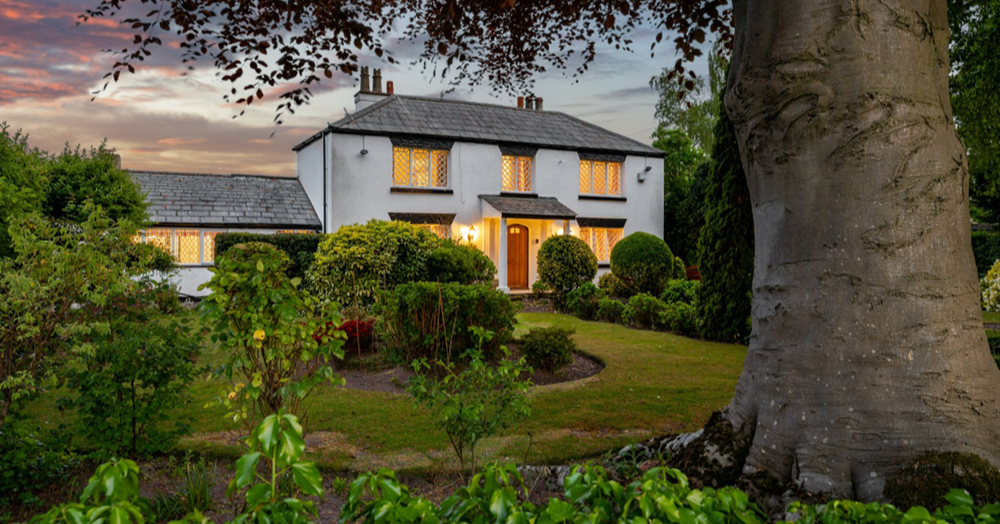
There is an undeniable appeal to a character home. Original timber beams, period brickwork, and a distinct sense of history make a house feel like a proper home. But older properties were built very differently from modern homes, and taking care of them requires a specific kind of attention.
Before you put in an offer and get solicitors involved, it pays to look closely at a few practical details. Knowing what to check early on gives you complete clarity on what you are taking on, and helps avoid costly surprises mid-transaction.
Drainage and Off-Grid Systems
Character homes, particularly those sitting on the edges of villages like Culcheth, Croft, Glazebury, or Lowton, often rely on septic tanks, cesspits, or treatment plants rather than mains drainage. It is worth asking how old the system is and whether it complies with current Environment Agency binding rules. Upgrading an outdated tank can be a substantial expense, so it would be a benefit to ask early.
We recently dealt with a semi-rural property in Glazebrook where the sale had progressed right up to the final stages before an issue with an outdated septic tank came to light. The delay unfortunately cost us the original buyer, and the owner had to resolve the drainage system before we could find a new one. It is a clear reminder of why asking the right practical questions early on saves everyone time, stress, and unnecessary disruption down the line.
Listed Status and Past Alterations
If a home is Grade II listed, legal consent is required for almost any internal or external change that alters its original character. When viewing, ask if previous work, like removed chimney breasts, altered walls, or replaced windows, has official Listed Building Consent. Unauthorised work becomes the legal responsibility of the new owner once you exchange and complete, so getting your solicitor to verify this paperwork early is vital.
Take Ivy House in Winwick, for example. When we brought it to market, the kerb appeal alone brought a huge amount of interest from potential buyers. But as viewings got underway, a recurring theme emerged. Many people fell in love with the character from the outside, but were hesitant when faced with the reality of maintaining a listed home, from the specialist materials required to the higher costs of period repairs.
Conservation Area Rules
Even if a property isn't listed, sitting within a local conservation area means planning rules can be stricter. Permitted development rights are often restricted, meaning changes to sash windows, exterior stone, or even cutting back mature boundary trees might need formal approval from the council.
Breathability and Damp
Older properties were designed to breathe. They rely on traditional materials like lime mortar, soft brick, and timber to manage moisture naturally. Modern additions like non-breathable cement render, heavy plastic paint, or retrofitted damp-proofing can actually trap water inside the walls. Keep an eye out for fresh paint over isolated patches or signs of modern cement repairs on historic stone.
Roofs, Chimneys, and Leadwork
Original slate or stone roofs look great, but replacing them requires specialist trade skills and materials. Take a moment to step back and look up at the roofline, chimney stacks, and lead flashing around the valleys. Replacing a few slipped slates is simple enough; replacing an entire structural roof is a very different conversation.
Buying a period property is as much a personal choice as a practical one. Asking these questions up front does not mean you should talk yourself out of a home you love; it simply means you can put forward an offer with confidence, knowing exactly what you are taking on (and how much it might cost). We have a contact list of experts who specialise in surveying many of the issues found in period homes, if you need guidance please get in touch.