
How to Improve Your Credit Score Before Applying for a Mortgage
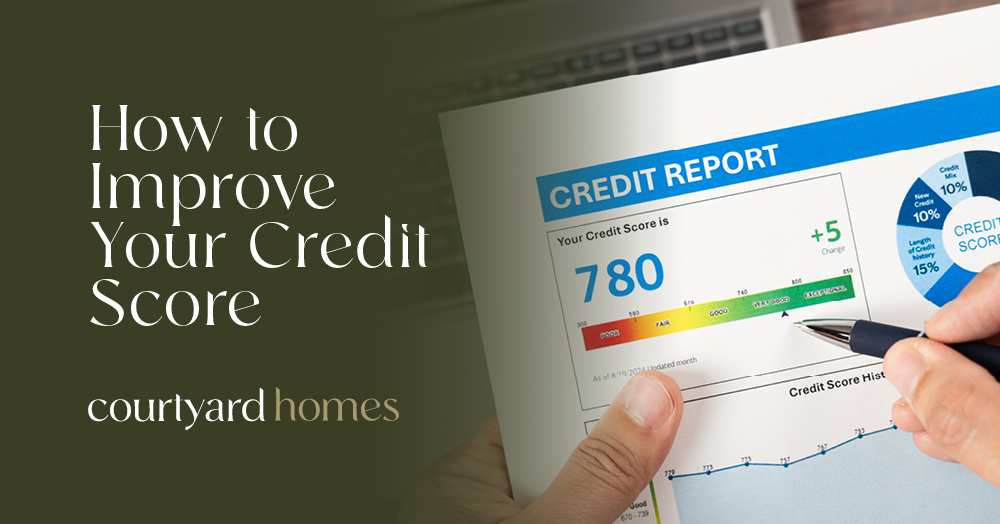
If you're planning to buy in Culcheth, Warrington or anywhere nearby in the next few months, your credit score matters more than most people realise. The good news: lenders aren't looking for perfection, just steady, sensible habits.
It's not really about the number
A common misunderstanding is that mortgage lenders look at the same credit score you'd see on Experian, Equifax or a free credit app. They don't. Each lender has its own way of assessing your file, and they're reading the detail behind the number, not just the headline figure. A higher score usually reflects fewer of the issues below, so it's still worth paying attention to, just not in isolation.
What tends to damage an application
- Missed payments. Even one in the last 12 months can be enough to put some lenders off, however minor it felt at the time.
- High credit utilisation. Using more than 30% of your available credit starts to look risky to a lender; over 50% is a genuine red flag.
- Payday loans or similar short-term credit. Even if repaid on time and in full, recent use can suggest financial pressure.
- Applying for several credit products in a short space of time. It reads as urgency, which isn't the impression you want to give.
- Defaults or CCJs. These fade in relevance over time, but timing matters, so it's worth understanding how long one will realistically affect you before you apply.
Quick wins, in the weeks before you apply
A few changes make a genuine difference fairly fast:
- Get on the electoral roll at your current address. It's a simple stability signal lenders check for.
- Bring your credit utilisation below 30%, spreading balances across cards if that helps.
- Check your credit report for errors and get any corrected.
- Pay down small existing debts rather than letting them sit.
- Set bills to direct debit so nothing gets missed by accident.
- Hold off on new credit applications, including buy-now-pay-later services.
- If you have a financial association with an ex-partner or former flatmate, from a joint account or old joint credit, get it removed.
Building toward it properly
Beyond the quick fixes, what lenders really want to see is a settled pattern: bills paid on time every month, balances that stay steady rather than swinging around, and no sudden new credit appearing out of nowhere. If you have little to no credit history at all, a low-limit credit builder card used carefully can help build one. None of this needs to be dramatic. Lenders tend to favour a file that looks calm and predictable over one that looks perfect but erratic.
Get proper advice alongside it
This is general guidance rather than advice tailored to your situation, and credit files are personal enough that it's worth a proper conversation before you apply. We work alongside the UK Mortgage Centre, our Warrington-based mortgage partner, and they're happy to look at your position honestly and tell you where you stand before you put in an application.
General information only, correct as of July 2026, and not personalised financial advice. Speak to a qualified mortgage adviser about your own circumstances before making any decisions.