What a Surveyor Actually Looks for in a Cheshire Semi-Detached
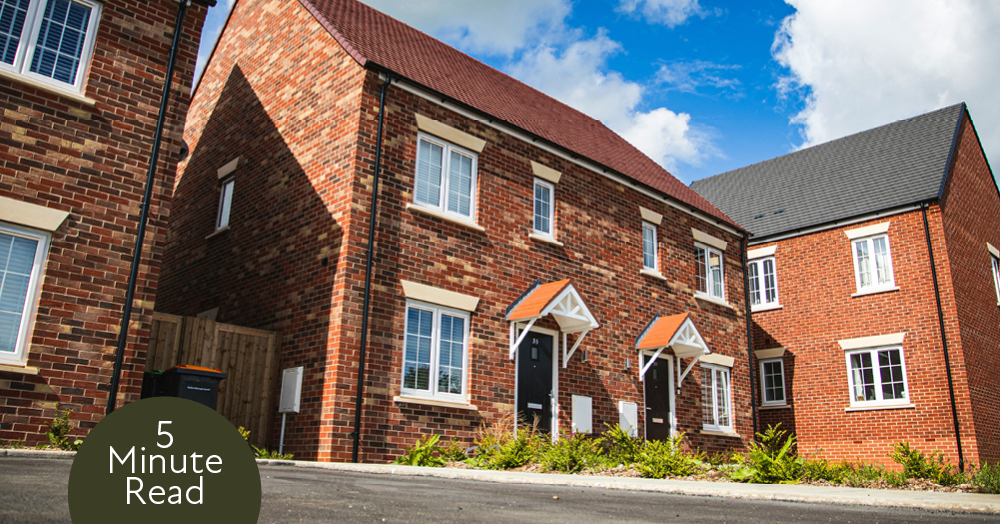
If you are buying a home in WA3, there is a reasonable chance it is a semi-detached. They make up a significant proportion of the housing stock across Culcheth, Lowton, Birchwood and the surrounding villages, and many of them were built in the 1930s, 1950s or 1960s. That means they have a particular set of things worth checking before you commit.

Here is what a surveyor is actually looking at when they walk around a property, and why it matters for the kind of homes that come up most often in this area.
The Roof
The roof is usually one of the first things a surveyor assesses. They are looking for missing or slipped tiles, damaged slates, deteriorated flashing around chimneys and ridges, and signs of previous repairs that may have masked a longer-term problem. Where the loft is safely accessible, most surveyors will go up and check the roof structure from the inside, looking at the condition of timbers and whether there are any signs of water ingress or movement.
On older semis in Cheshire, roof repairs are one of the most common findings. A roof that is approaching the end of its serviceable life is not necessarily a deal-breaker, but it is worth knowing about before you agree a price.
Damp
Damp appears in several forms and surveyors carry moisture meters to check for it in the areas most at risk. Rising damp comes up from the ground where a damp proof course has failed or is absent. Penetrating damp comes in through external walls, window frames or roofs. Condensation damp is caused by poor ventilation and is more common in bathrooms and kitchens.
One thing experienced surveyors look for is fresh decoration concentrated around areas that are typically damp-prone. New paint around the base of a chimney breast, or along a ground-floor external wall, is sometimes a sign that a problem has been covered rather than fixed. It does not always mean something is wrong, but it is worth flagging.
The Party Wall
This is the element that is specific to semi-detached homes. The party wall is the shared wall between your property and next door, and it carries its own set of considerations. Surveyors check for cracks along or through the party wall, signs of movement or separation, and any evidence that alterations have been made to one side without proper notice or structural support. In older semis, where extensions and loft conversions have sometimes been added without the neighbouring property being formally notified, this can be a complication that shows up in the conveyancing process as well as the survey.
Structural Movement and Subsidence
Cracks are the most visible sign of structural movement, but not all cracks are equal. Hairline cracks in plaster are usually cosmetic. Wider cracks, diagonal cracks running from the corners of windows and door frames, or cracks that are wider at the top than the bottom, can indicate more significant movement in the foundations. Where a surveyor flags potential subsidence, a structural engineer's report will be required before any mortgage lender proceeds.
In parts of Cheshire and south Lancashire, historic mining activity and soil conditions can be relevant factors. A good surveyor will note any local ground conditions worth investigating further.
Guttering and Drainage
Surveyors check gutters, downpipes and external drainage for signs of blockage, cracking, poor joints and overflow staining on external walls. It sounds minor but failed guttering left unaddressed causes cumulative damage to the building's fabric over time. On many older WA3 semis, cast iron guttering has been replaced at some point, but not always well.
Electrics and Heating
Surveyors do not test electrical circuits or gas appliances. What they do is carry out a visual check of the consumer unit, visible wiring, socket condition and signs of damage. If the wiring appears to be original and the property is more than 25 or 30 years old, they will typically recommend an electrical installation condition report from a qualified electrician before exchange. Similarly, they will flag if a boiler appears old or if there are signs the heating system has not been regularly serviced.
Extensions and Alterations
A large number of older semis in Culcheth, Lowton and Birchwood have been extended at some point, whether that is a rear kitchen extension, a loft conversion, a garage conversion or a conservatory. Surveyors note the condition of any extension and flag whether it appears to have been built correctly. Where planning permission or building regulations approval would have been required, your solicitor will need to check whether the relevant documentation exists. An extension built without the appropriate sign-off can cause problems when you come to sell.
What the Survey Cannot Tell You
Surveys are non-invasive. The surveyor does not lift floorboards, move furniture, open wall cavities or drill into anything. Areas hidden behind fitted units, under carpets or inside walls are not inspected. If the report recommends a specialist check, such as a drainage survey, a structural engineer's report or a timber and damp specialist, it is worth commissioning those before exchange where possible. It keeps your options open and prevents surprises after completion.
A survey is not there to fail a property. It is there to inform you. The findings give you a prioritised list of what needs attention, what to ask the seller about, and what to factor into the price you are willing to pay.
If you are buying in WA3 and want a straightforward steer on what to expect from the survey process, we are happy to talk it through. Call us on 01925 767000 or visit courtyardhomes.co.uk.